I
1 essay
Training in Switzerland
Why the Alps. The specifics of Swiss training, terrain, weather, airspace, cost, regulatory standing, and what international students should know before they commit.
View all →For the love of flying.
Flight training is decided in fragments: a half-answered question, a spreadsheet that never quite adds up, a school tour that leaves the important things unsaid. The Atlas gathers, in one reference, what we have learned running an academy in the Alps and what we admire in the schools, aircraft, and people who make aviation what it is. Schools are rated independently, by published criteria. Aircraft, watches, destinations, and the things pilots carry are covered as we find them, not as brands pay us to. Switzerland sits at the centre, as a matter of competence and geography. Beyond that, we follow the work anywhere it is done well.
alpaviation editorial
Why the Alps. The specifics of Swiss training, terrain, weather, airspace, cost, regulatory standing, and what international students should know before they commit.
View all →LAPL(A), PPL(A), CPL(A) and ATPL(A): what each licence allows, what it requires and how they build on each other.
View all →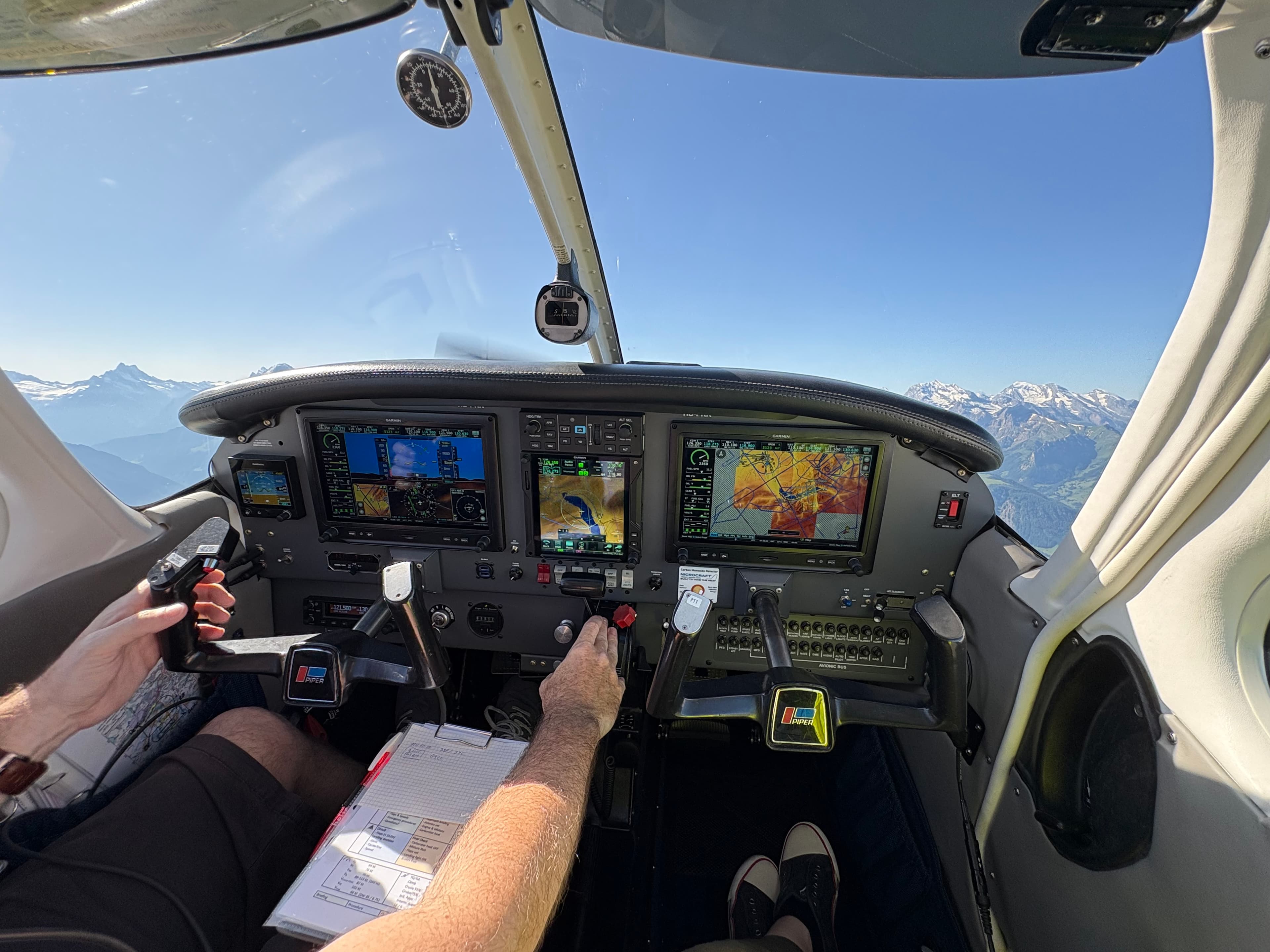
Confusing terms explained: what a licence, a rating, a type rating and an endorsement each allow you to do.