Emergency response aviation operates at the edge of capability. When weather deteriorates, when other flights are grounded, when visibility drops and conditions become genuinely challenging, responder aviators launch. Whether flying medical teams to critical patients, launching on search and rescue missions in mountains or at sea, operating firefighting aircraft over active flames, or supporting law enforcement operations, emergency pilots combine technical mastery with the psychological discipline to operate in environments that are inherently unpredictable. This family encompasses air ambulance, SAR, firefighting, and law enforcement specialisations.
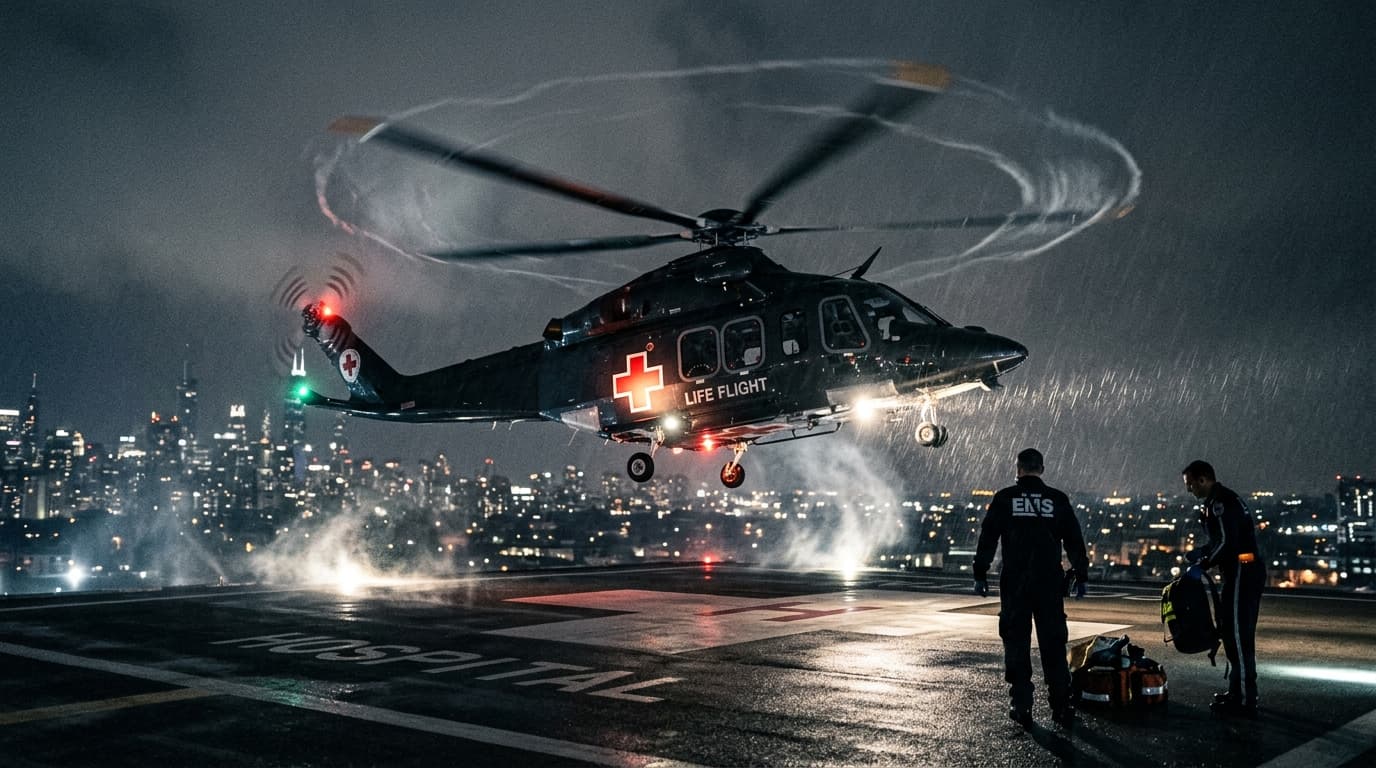
01 / Air Ambulance Pilot
Air Ambulance Pilot
The Work
You fly medical teams to patients and patients to definitive care, often in deteriorating weather, at short notice, into non-standard sites. The aircraft becomes an operating platform; your decisions directly affect clinical outcomes. Air ambulance pilots combine instrument precision with the judgement to refuse a flight that conditions do not safely support. You operate at the intersection of medical urgency and aeronautical reality, making sound decisions under genuine time pressure.
The Path
PPL(A) → Night Rating → Instrument Rating → CPL(A) + Advanced Handling Rating. Typically 4 to 6 years from first flight; most operators require 1,000 to 2,000 hours before entry. Air ambulance operators invest heavily in training and expect demonstrated maturity in decision-making.
At alpaviation
The Night Rating, Instrument Rating, and CPL(A) from alpaviation form the foundation of air ambulance careers. Advanced handling training in the Alpine environment provides exactly the mountain-flying and weather-decision skills that Swiss and Austrian air ambulance operators specifically value. Many European air ambulance services actively recruit from Alpine training backgrounds.
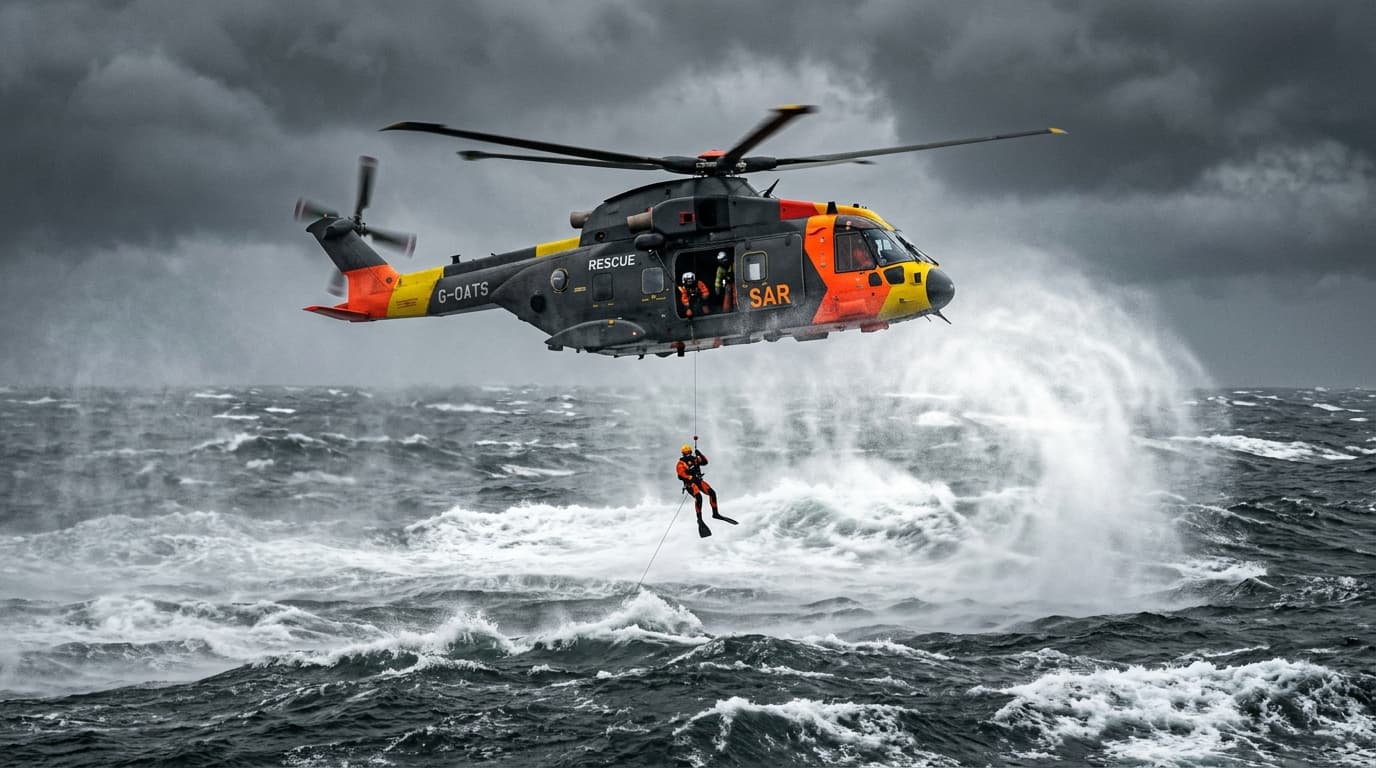
02 / Search and Rescue Pilot
Search and Rescue Pilot
The Work
You launch at night or in storms when other flights are grounded. SAR missions range from mountain rescues in zero visibility to maritime searches covering hundreds of square miles. The role demands technical mastery, crew coordination with specialist rescue teams, and the psychological composure to operate in environments that are genuinely unpredictable. SAR is not flying according to a plan; it is flying according to conditions and making the right call in real time.
The Path
PPL(A) → Night Rating → Instrument Rating → CPL(A) + Advanced Handling Rating. Typically 4 to 6 years from first flight; most SAR roles (military or civilian) require 1,500 to 2,500 hours. SAR organisations seek demonstrated mountain experience and the technical background to support rescue operations.
At alpaviation
The Instrument Rating and advanced handling curriculum at alpaviation are directly aligned with what SAR operators seek. Alpine mountain-flying experience in Switzerland is a genuine and recognised differentiator for candidates applying to Swiss SAR programmes and international rescue operators.
Emergency pilots do not fly in spite of bad conditions. They develop the skills and judgement to operate safely when bad conditions are unavoidable.
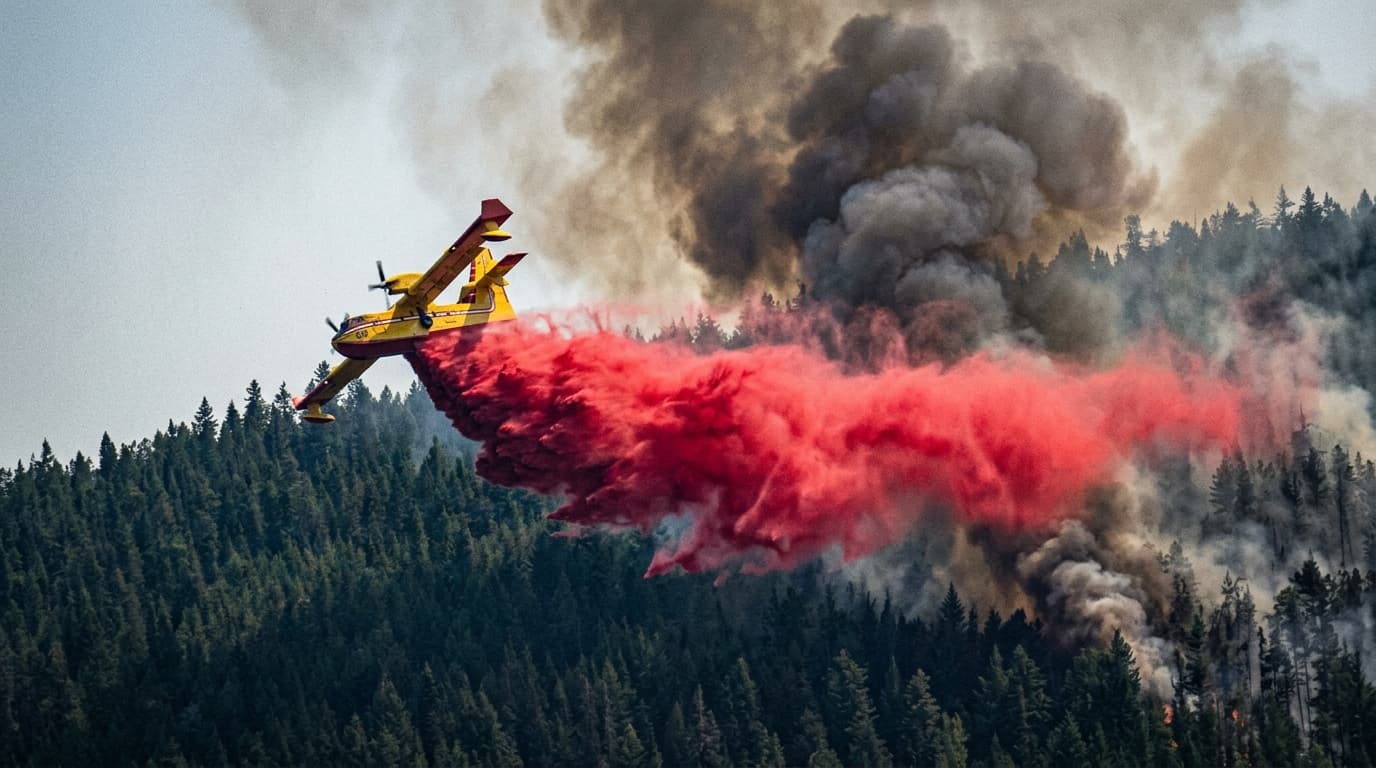
03 / Firefighting Pilot
Firefighting Pilot
The Work
You operate scooping aircraft or tankers at low altitude in high-heat environments, coordinating with ground crews fighting active fires. It is high-workload, low-altitude flying in challenging terrain under time pressure. Firefighting operations demand precise aircraft handling, rapid situational assessment, and the discipline to maintain control in high-stress conditions. The season is intense, typically summer months, with long duty days and demanding terrain.
The Path
PPL(A) → CPL(A) + Advanced Handling Rating. Typically 3 to 5 years from first flight; operators typically require 500 to 1,000 hours on appropriate aircraft types. Firefighting operators value precision low-altitude handling and demonstrated terrain awareness.
At alpaviation
alpaviation's PPL(A) and CPL(A) pathway combined with advanced handling training builds the precision low-altitude handling skills that aerial firefighting demands. Training in complex Alpine terrain directly translates to the precision required in active-fire operations.
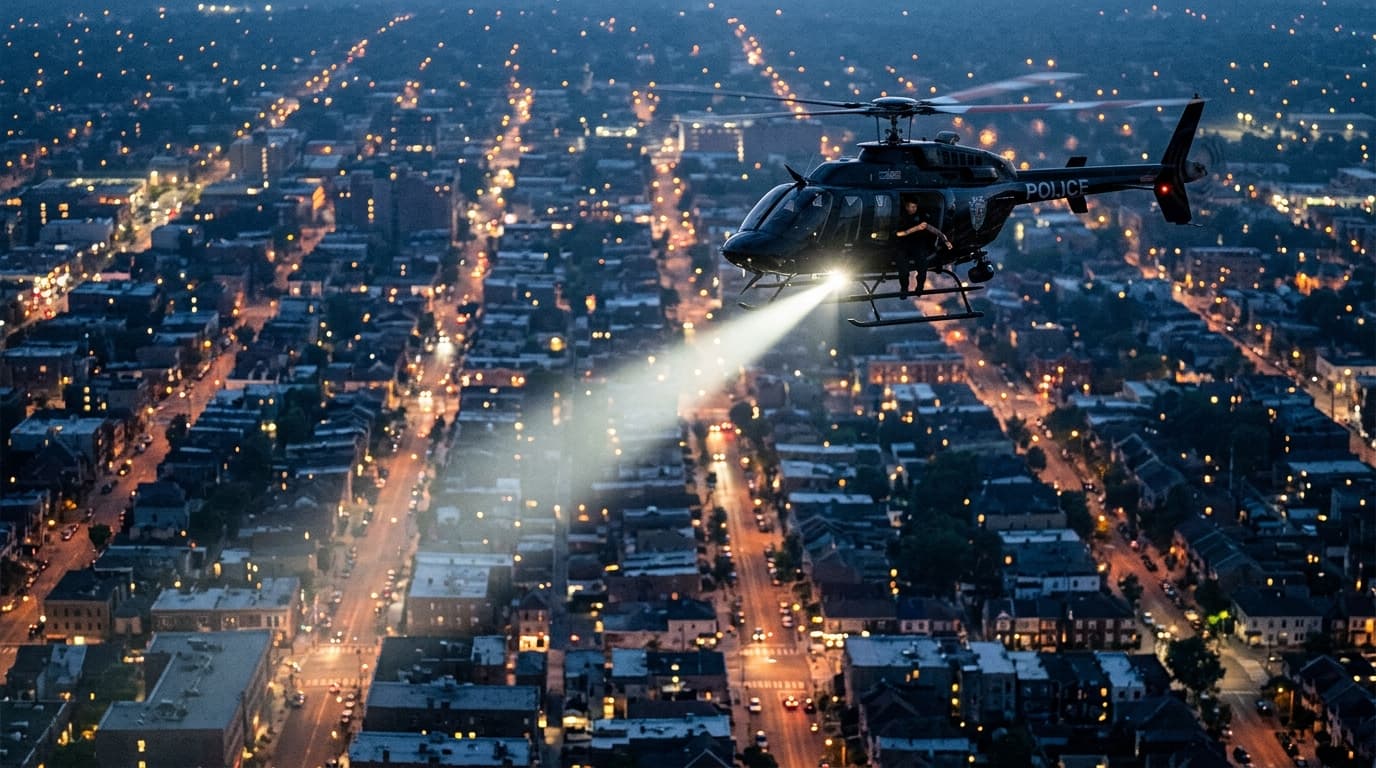
04 / Law Enforcement Pilot
Law Enforcement Pilot
The Work
You fly surveillance, pursuit, and support operations for police and border agencies. Missions include vehicle pursuits, crowd monitoring, border patrol, and tactical support. The flying is often at low levels, in congested airspace, at night, with sensor operators and tactical officers in the back. Decision-making under ambiguity is constant. Law enforcement flying demands precise aircraft handling combined with situational awareness and the ability to support complex operations on the ground.
The Path
PPL(A) → Night Rating → Instrument Rating → CPL(A). Typically 3 to 5 years from first flight; many law enforcement agencies require candidates to hold a CPL(A) and Instrument Rating at application. Law enforcement values demonstrated competence and the ability to operate in challenging conditions.
At alpaviation
The CPL(A) pathway with integrated Night Rating and Instrument Rating from alpaviation provides the licence base most law enforcement agencies require at application. Swiss precision and multilingual airspace literacy directly transfer to European law enforcement operations.
Explore Other Career Paths
Commercial Aviation Careers
Airline captains, cargo pilots, corporate jet commanders
Specialist Aviation Careers
Agricultural, survey, seaplane, and niche operations
Flight Training Careers
Instructors, examiners, chief pilots, academy founders
Adventure Aviation Careers
Bush pilots, expedition flying, glider, competition
Emerging Aviation Careers
Drone operations, test piloting, and the future of flight
Begin Your Path to Emergency Response
Every career in aviation starts with the same first step. alpaviation has trained pilots for over 38 years.
Explore Training