Commercial aviation represents the pinnacle of scheduled professional flying. Whether commanding a widebody airliner across oceans, flying cargo on the night freight networks, or operating charter services across Alpine terrain, commercial pilots hold positions of significant responsibility and financial reward. This family encompasses airline captaincy, cargo operations, charter flying, corporate jet operations, VIP transport, and ferry flying, each a distinct specialisation within the broader commercial aviation sector.
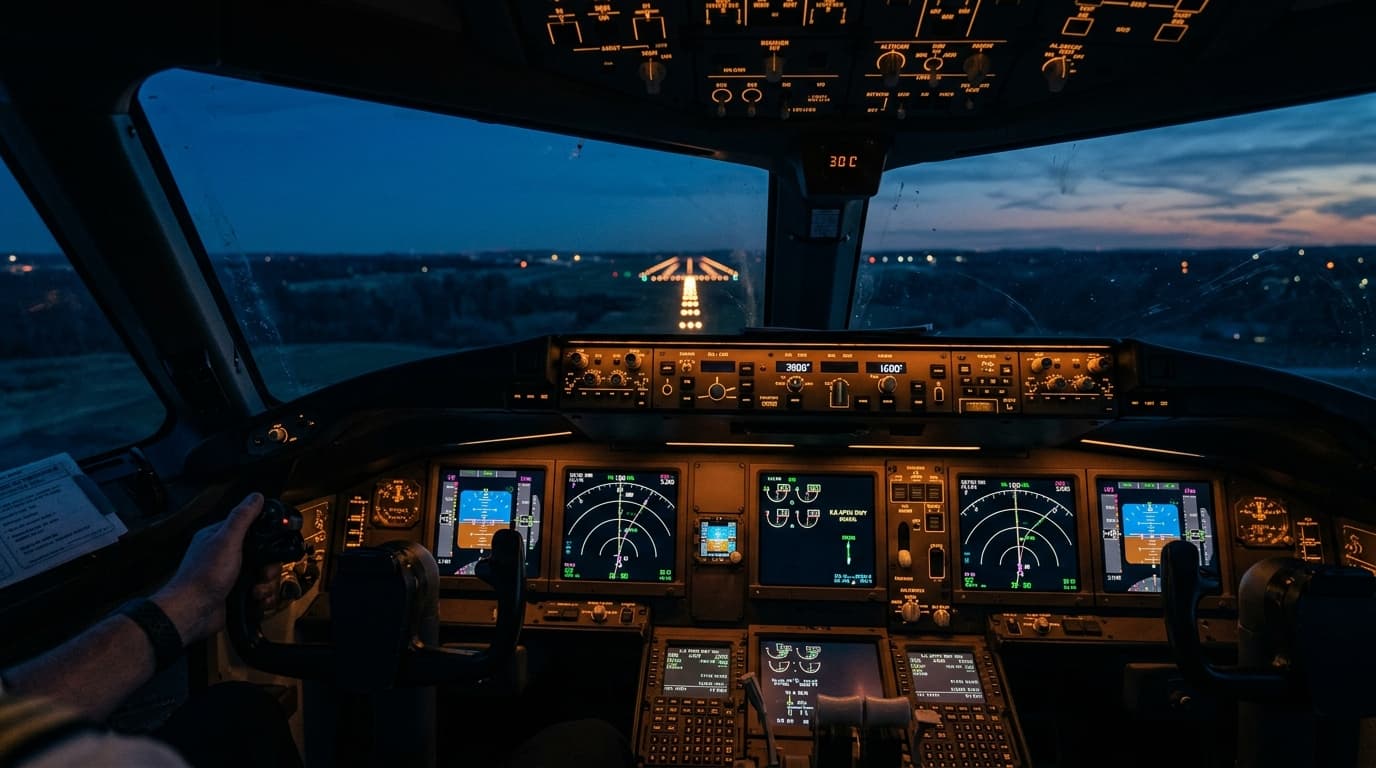
01 / Airline Captain
Airline Captain
The Work
You arrive at the airport two hours before departure, brief your first officer on weather, NOTAMs, and fuel planning, then command an aircraft carrying hundreds of passengers across continents. Every flight is a different city, different conditions, and a different crew. The job demands total systems mastery, decisive crew leadership under pressure, and the judgement to make sound decisions at 37,000 feet with incomplete information. Flying a captain is not just the end point of training, it is the beginning of a lifetime of continuous learning, responsibility, and precision.
The Path
PPL(A) → Night Rating → Instrument Rating → Multi-Engine Piston Rating → CPL(A) → ATPL(A) (Frozen or Full) → Type Rating. Typically 5 to 8 years from first flight to regional airline first officer seat; captain upgrade requires an additional 1,000 to 3,000 hours in type, often 2 to 5 years depending on seniority rules.
At alpaviation
alpaviation provides the complete foundational path, PPL(A), Night Rating, Instrument Rating, MEP, and CPL(A), that forms the base of every airline career. The modular approach allows you to build each qualification around your life schedule while gaining experience in one of Europe's most demanding training environments. Many alpaviation graduates have transitioned directly into regional airline pipelines.
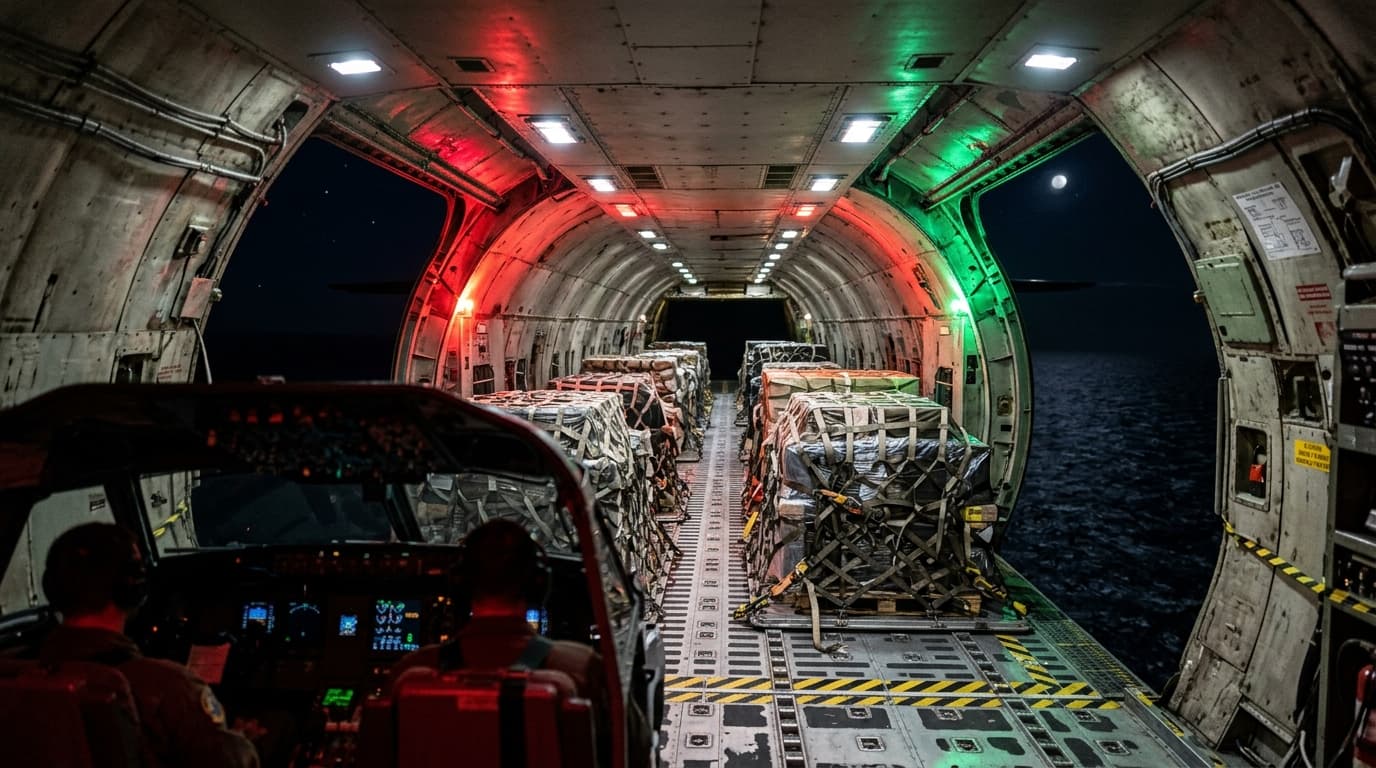
02 / Cargo Pilot
Cargo Pilot
The Work
You fly at night, often solo, on tight schedules that keep supply chains moving. The cargo world operates according to different rhythms than passenger flying, freight deadlines, hub routing, and operational discipline. Night-freight runs build hours rapidly; widebody cargo captains command the same equipment as the biggest airlines, operating with the same precision but without the passenger service complexity. The autonomy appeals to experienced pilots seeking variety and responsibility.
The Path
PPL(A) → Night Rating → Instrument Rating → Multi-Engine Piston Rating → CPL(A). Typically 3 to 5 years from first flight to entry-level cargo co-pilot position. Cargo operators value night currency and the ability to operate independently, both built into the pathway.
At alpaviation
The CPL(A) with integrated Night Rating and IR(A) from alpaviation is the standard entry credential for cargo operators across Europe. Night currency is built systematically throughout the training; the precision required in Alpine operations translates directly to the discipline cargo operations demand.
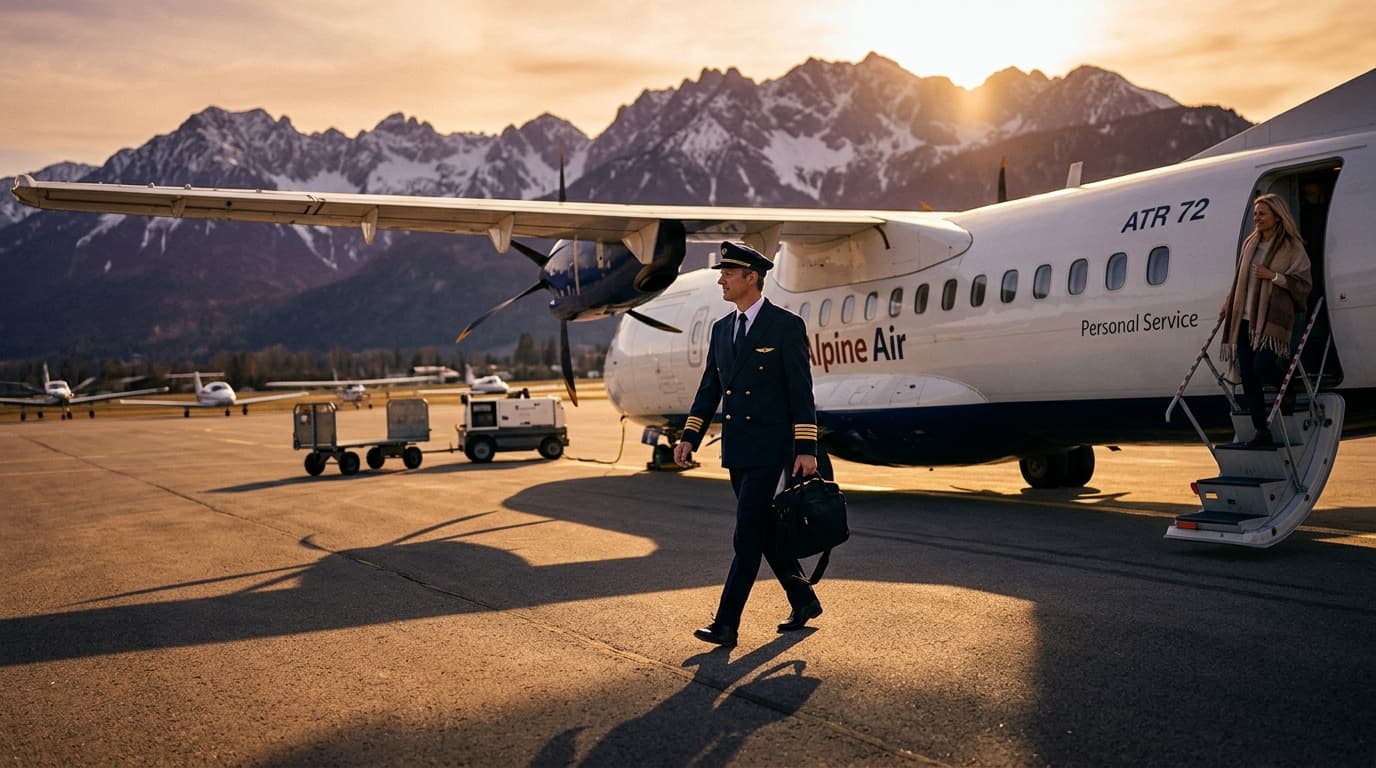
03 / Charter Pilot
Charter Pilot
The Work
Each morning brings a new manifest, families flying to mountain ski resorts, business executives on urgent connections, medical patients requiring rapid transport. Charter flying demands operational flexibility, strong passenger handling, and the instrument skills to operate in European weather year-round. Routes change daily; schedules are driven by client needs, not timetables. The work is varied, the environments are often spectacular, and the professional standard is uncompromising.
The Path
PPL(A) → Night Rating → Instrument Rating → Multi-Engine Piston Rating → CPL(A). Typically 3 to 5 years from first flight to charter co-pilot position. Charter operators specifically value mountain terrain awareness and the ability to operate in variable conditions.
At alpaviation
alpaviation's CPL(A) pathway covers every rating charter operators require. Training in the Swiss Alps environment directly builds genuine terrain-awareness and precision handling skills that are actively valued by European charter companies. alpaviation's location places you in the geographic heart of alpine charter operations.
Every captain was once a first officer. Every first officer started with a private pilot licence and the clarity of purpose that defines professional aviation.
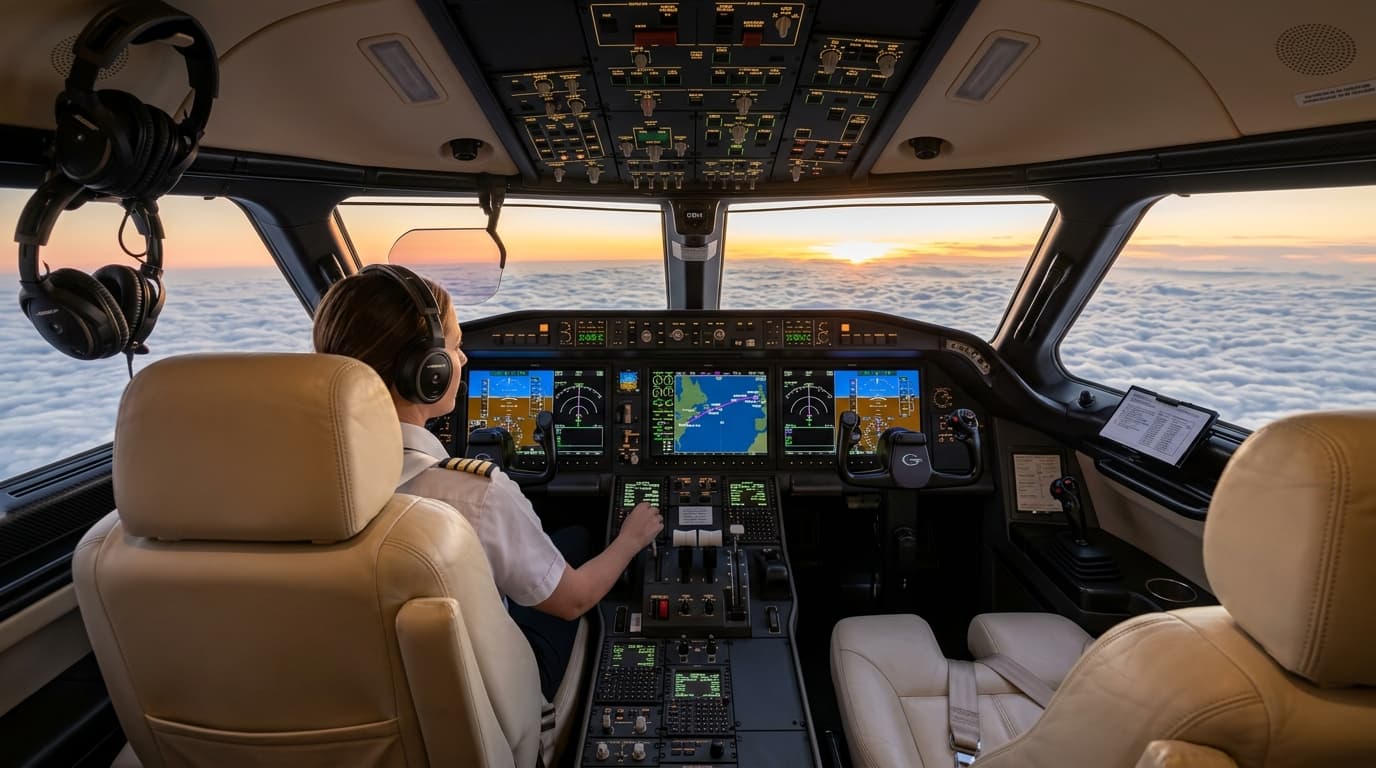
04 / Corporate Jet Pilot
Corporate Jet Pilot
The Work
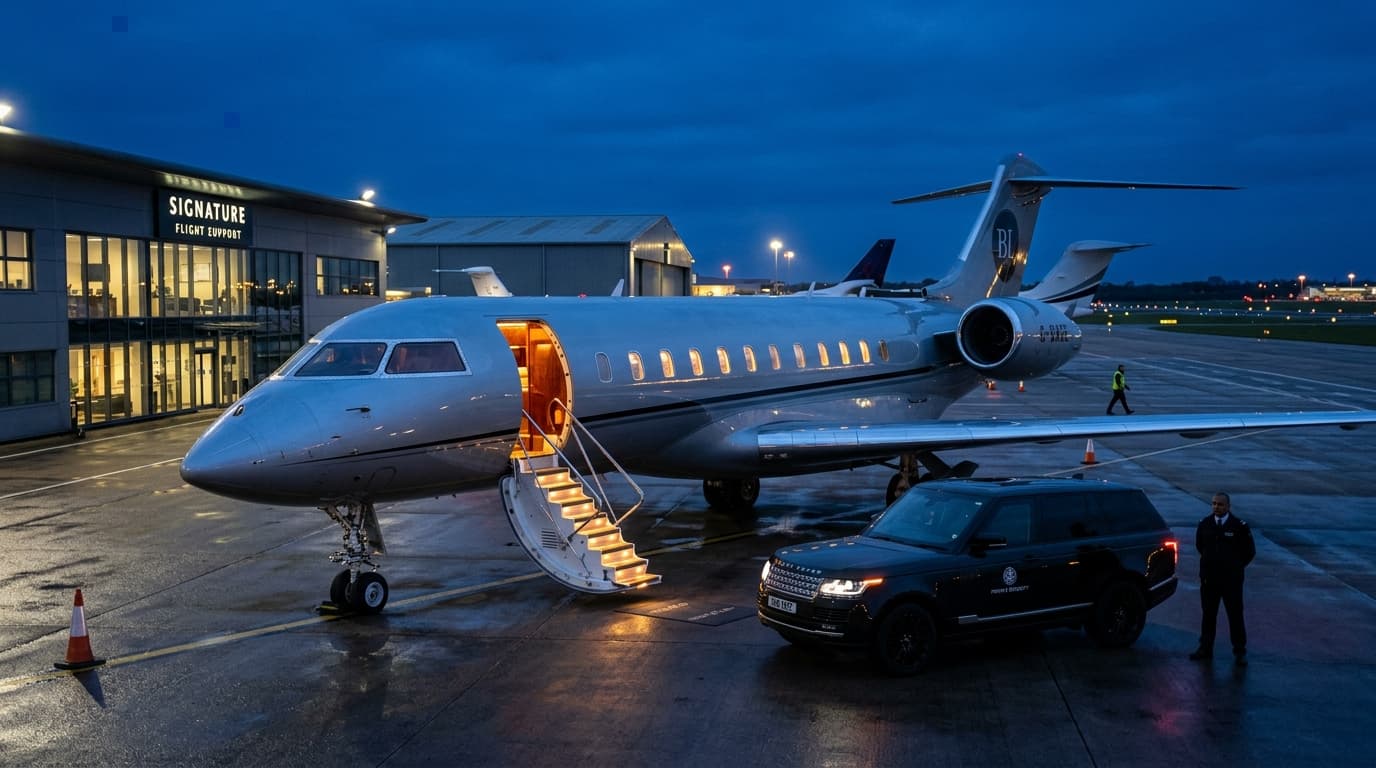
You operate high-performance jets for corporations and high-net-worth clients, often as a tight two-person crew. Schedules are driven by the client, early starts, late notices, and discretion in sensitive environments. The aircraft are technically complex; the standard of operation is uncompromising. Corporate aviation rewards meticulous preparation, quiet professionalism, and the ability to deliver flawless operations consistently. The flying is sophisticated; the responsibility is complete.
The Path
PPL(A) → Instrument Rating → Multi-Engine Piston Rating → CPL(A) → Jet Type Rating. Typically 4 to 6 years from first flight to co-pilot seat on a light or mid-size corporate jet. Jet type ratings represent a significant step in technical complexity and are typically pursued after gaining substantial piston experience.
At alpaviation
The CPL(A) with Instrument Rating and MEP foundation from alpaviation provides the standard base corporate operators require. alpaviation offers high-performance single-engine training (e.g., PC-12) that serves as an ideal bridge to jet operations, building the systems knowledge and precision handling that jet flying demands. The technical rigour of Swiss training aligns directly with corporate aviation standards.
05 / VIP Transport Pilot
VIP Transport Pilot
The Work
Your passengers include heads of state, senior executives, and their families. Every flight is a high-discretion event where timeline precision and cabin environment management are as important as the technical flying. You manage the entire operation, fuelling, ground handling, customs coordination, ground transport logistics, in addition to commanding the aircraft. The standard is perfection; the environment demands complete professionalism.
The Path
PPL(A) → Instrument Rating → Multi-Engine Piston Rating → CPL(A) → Type Rating. Typically 4 to 6 years from first flight, with additional years building the hours and professional reputation that VIP operators specifically require. VIP operators invest in their crews; seniority and discretion are valued as highly as technical skill.
At alpaviation
alpaviation's full CPL(A) pathway combined with the school's emphasis on professional standards and advanced handling curriculum builds exactly the technical and interpersonal base VIP operations demand. Training in Switzerland's complex airspace and demanding terrain environment develops the precision and composure that VIP operators seek. Many alpaviation graduates have transitioned into VIP operations across Europe.
06 / Ferry Pilot
Ferry Pilot
The Work
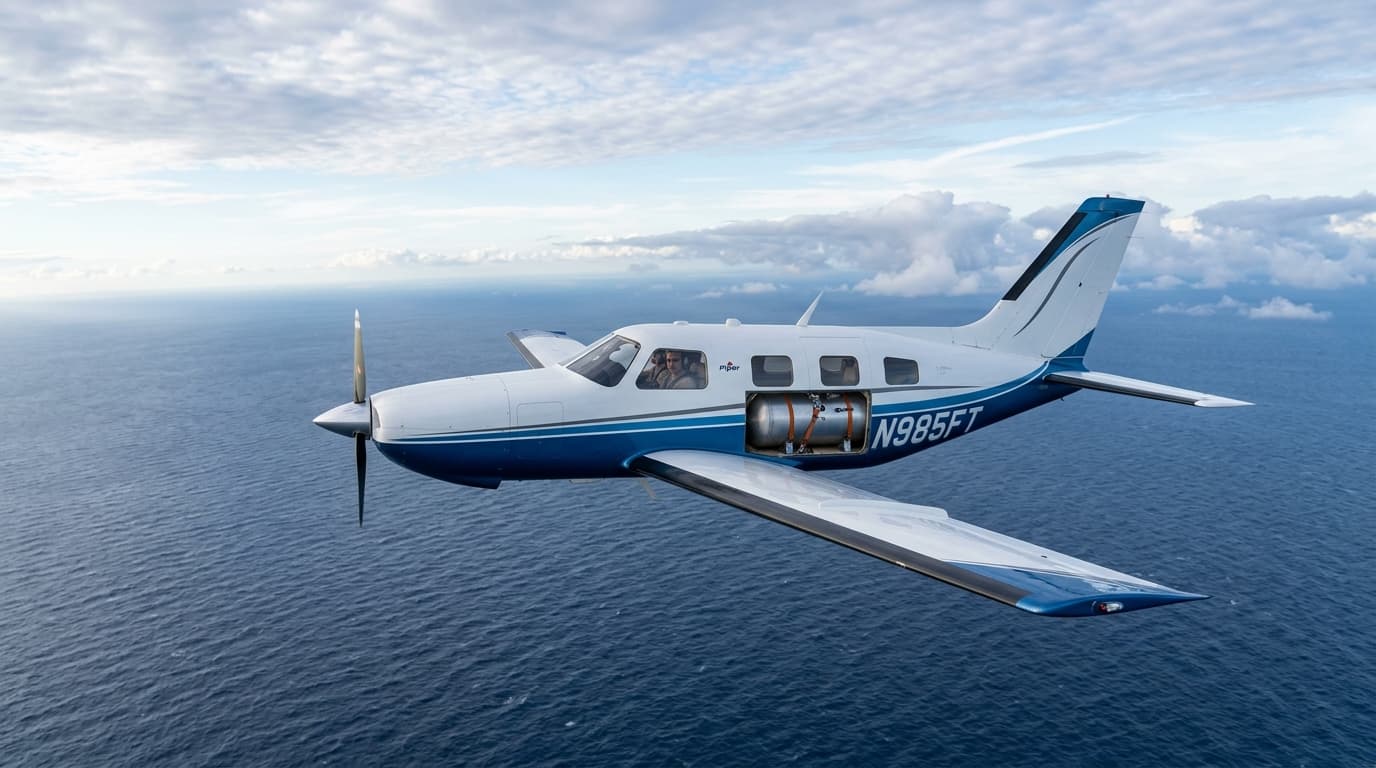
You fly aircraft from their point of sale or manufacture to their new home, across oceans, across continents, through unfamiliar airspace, often in aircraft you have never flown before. Each delivery is a self-contained expedition: unfamiliar avionics, long overwater legs, fuel-range planning to the litre, navigational precision under pressure. The work is irregular, often solo, and demands genuine aeronautical self-sufficiency and the judgement to refuse a flight that conditions do not support.
The Path
PPL(A) → Night Rating → Instrument Rating → Multi-Engine Piston Rating → CPL(A). Typically 3 to 5 years from first flight; ferry work generally comes after building 500 to 1,000 hours on varied aircraft types. Ferry operators value cross-country experience and demonstrated decision-making maturity.
At alpaviation
A solid PPL(A) and CPL(A) foundation from alpaviation, combined with intensive Alpine cross-country experience, builds exactly the navigation skills and decision-making maturity that ferry flying depends on. alpaviation's location in the heart of European airspace provides unmatched exposure to complex routing, terrain challenges, and weather decision-making that ferry pilots encounter globally.
Explore Other Career Paths
Emergency Aviation Careers
Air ambulance, search and rescue, firefighting pilots
Specialist Aviation Careers
Agricultural, survey, seaplane, and niche operations
Flight Training Careers
Instructors, examiners, chief pilots, academy founders
Adventure Aviation Careers
Bush pilots, expedition flying, glider, competition
Emerging Aviation Careers
Drone operations, test piloting, and the future of flight
Related reading
Start Your Journey to the Flight Deck
Every career in aviation starts with the same first step. alpaviation has trained pilots for over 38 years.
Explore Training