Adventure aviation encompasses flying roles that prioritise exploration, technical mastery, and operational self-sufficiency over scheduled regularity. Bush pilots operate into strips that exist in no database; expedition pilots support scientific and geographic exploration; aerobatic pilots fly precision manoeuvres at the edge of aircraft capability; glider pilots soar on thermals without engines; competition pilots fly to scored standards in contests. These careers appeal to pilots who value autonomy, technical challenge, and the satisfaction of mastering genuinely difficult flying under varied conditions.
01 / Bush Pilot
Bush Pilot
The Work
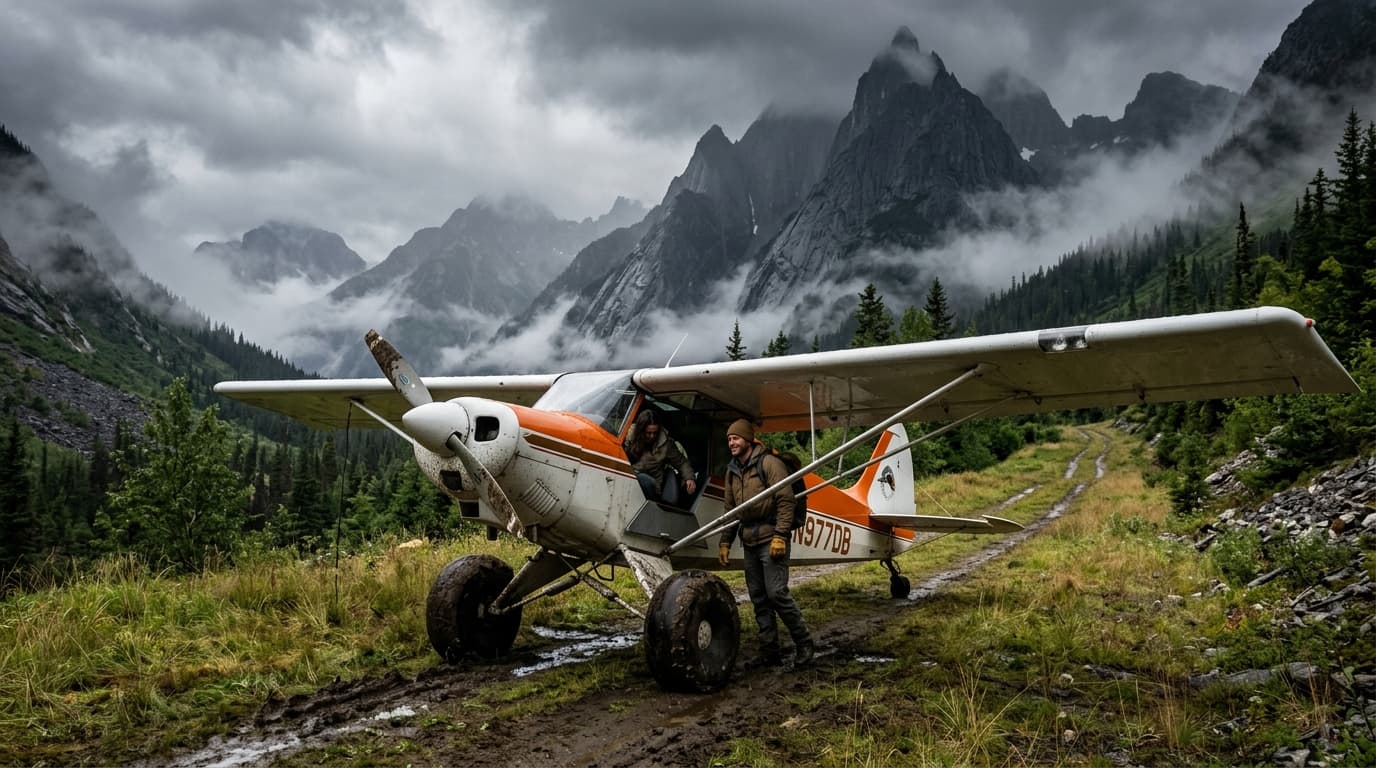
You operate into strips that are not in any database, unprepared surfaces, short clearings, high-altitude meadows, carrying cargo, passengers, or scientific teams to places that have no other access. Bush flying is the purest expression of pilot skill: no ATC, no precision instrument approaches, no go-around guarantee. You read the terrain, read the aircraft, and make the call. Bush flying demands complete self-sufficiency and genuine aeronautical judgment.
The Path
PPL(A) → CPL(A) + Advanced Handling Rating. Typically 3 to 5 years from first flight; most bush operators expect 300 to 1,000 hours before hiring, built on varied terrain. Bush operators value demonstrated terrain awareness and the judgment to refuse operations that conditions do not support.
At alpaviation
alpaviation's Swiss Alps environment is one of the best in Europe for developing the terrain awareness and judgment that bush flying demands. Advanced handling training here builds skills that translate directly to unprepared-strip operations worldwide. Many internationally recognised bush pilots trained in Alpine environments cite mountain experience as foundational to their capability.
02 / Expedition Pilot
Expedition Pilot
The Work
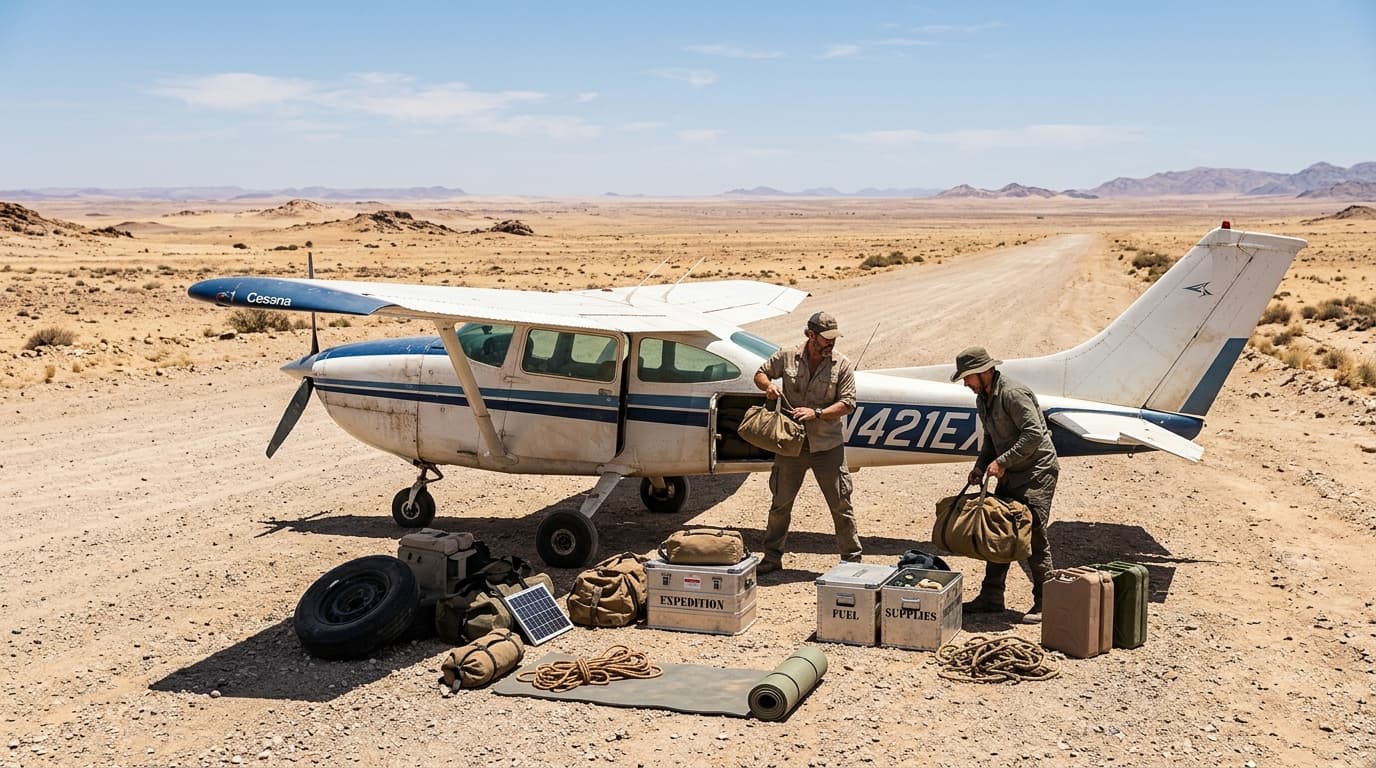
You support scientific, documentary, or geographic expeditions in remote environments: Antarctica, high mountain ranges, desert plateaux. The flying combines technical challenge with genuine exploration. Logistics management is as important as flying: fuel caches, permits, weather windows, and contingency planning for environments where rescue may be days away. Expedition pilots are self-reliant aviators operating at the edges of geography and capability.
The Path
PPL(A) → Night Rating → CPL(A), plus deliberate hour-building in remote and challenging terrain. Typically 3 to 5 years from first flight, with additional experience gained through expedition support roles and remote terrain operations. Expedition operators value demonstrated mountain and remote environment experience.
At alpaviation
alpaviation's mountain flying curriculum and cross-country expedition experience in the Alps builds exactly the navigational and self-reliance skills that expedition operations require. Switzerland is one of the most varied geographic training environments in Europe for developing the competence expedition flying demands.
03 / Aerobatic Pilot
Aerobatic Pilot
The Work
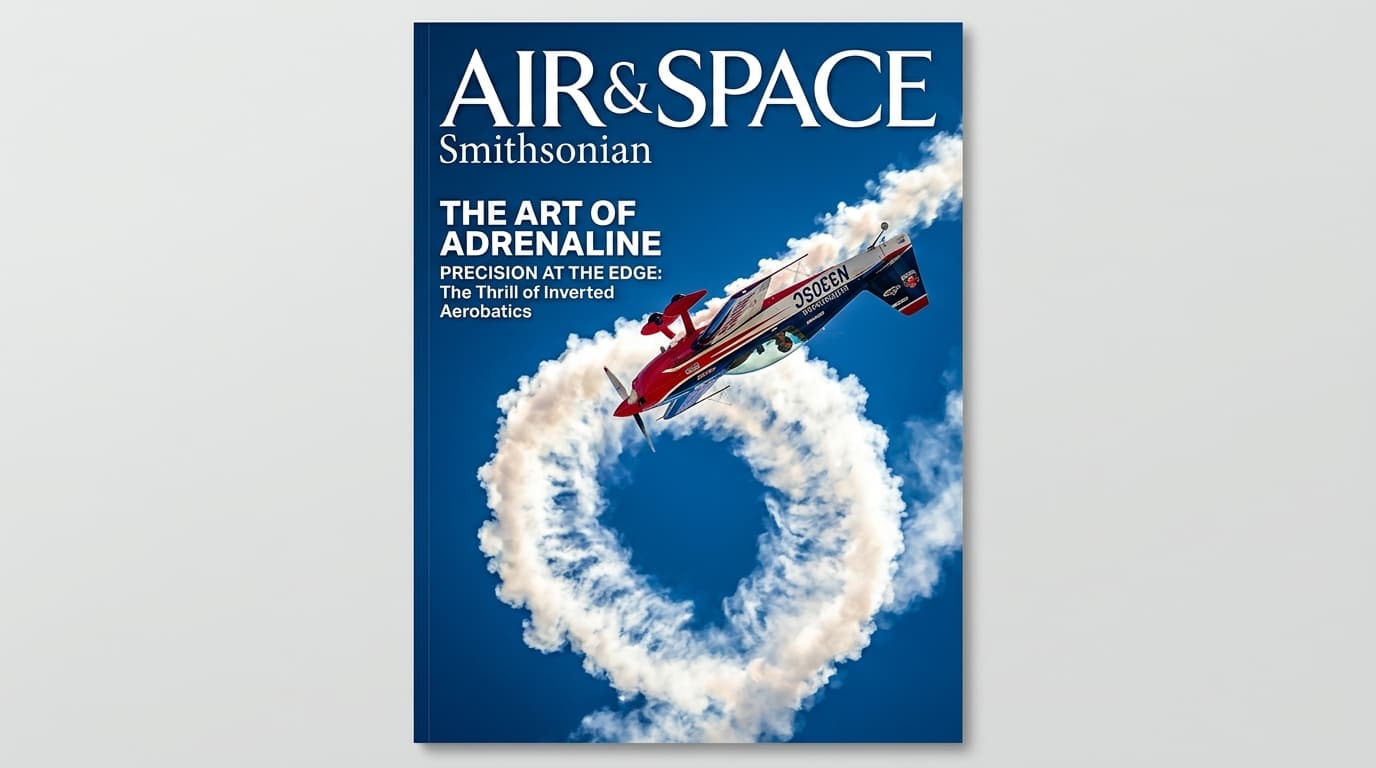
You fly precision manoeuvres, loops, rolls, hammerheads, snap rolls, to a choreographed sequence within a defined box of airspace. Aerobatic flying demands exceptional spatial awareness, precise throttle and control input coordination, and physical conditioning to manage G forces repeatedly. The skill takes years to develop and rewards obsessive attention to aircraft control. Aerobatic flying is technically unforgiving; precision is everything.
The Path
PPL(A) → Aerobatic Rating. Typically 1 to 3 years from PPL(A) to aerobatic rating; competition-level flying typically requires 2 to 5 years of dedicated training beyond the initial rating. Aerobatic training is highly specialised and demands dedicated focus.
At alpaviation
alpaviation's PPL(A) provides the foundation. alpaviation does not deliver aerobatic ratings; the team can point you toward approved aerobatic training providers once your PPL(A) and post-licence hours are in place.
Adventure pilots do not fly between destinations. They fly to places that have no other access, in conditions that demand complete self-sufficiency, at the limits of aircraft capability.
04 / Glider Pilot
Glider Pilot
The Work
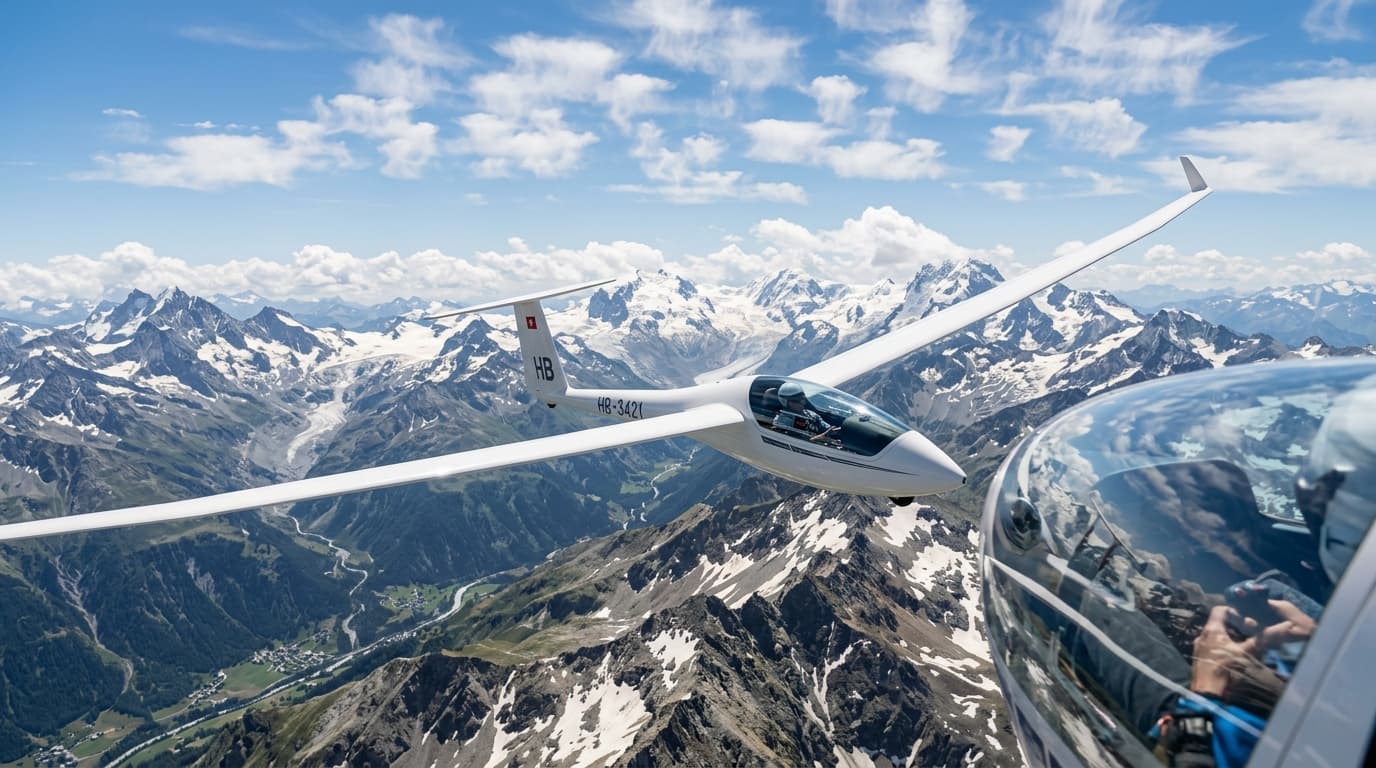
You soar on thermals and ridge lift, covering hundreds of kilometres without an engine. Glider flying is the most energy-efficient form of aviation and arguably the most demanding in weather reading and airspace awareness. Cross-country gliding in the Alps means routing through complex terrain, managing altitude carefully, and making field-landing decisions well in advance. Glider flying develops the purest form of energy management and weather awareness.
The Path
LAPL(A)(Sailplane) or SPL. Typically 6 to 18 months from first flight to solo and basic LAPL(A)(S); cross-country capability takes 1 to 3 years of regular flying. Glider pilots value mountain experience and the ability to read thermal and ridge systems.
At alpaviation
alpaviation provides the LAPL(A) pathway. The Swiss Alps are one of the most distinctive soaring environments globally, the mountain wave and ridge systems around alpaviation's operating area provide experienced training terrain. Many international glider pilots cite Alpine training as foundational to their cross-country capability.
05 / Competition Pilot
Competition Pilot
The Work
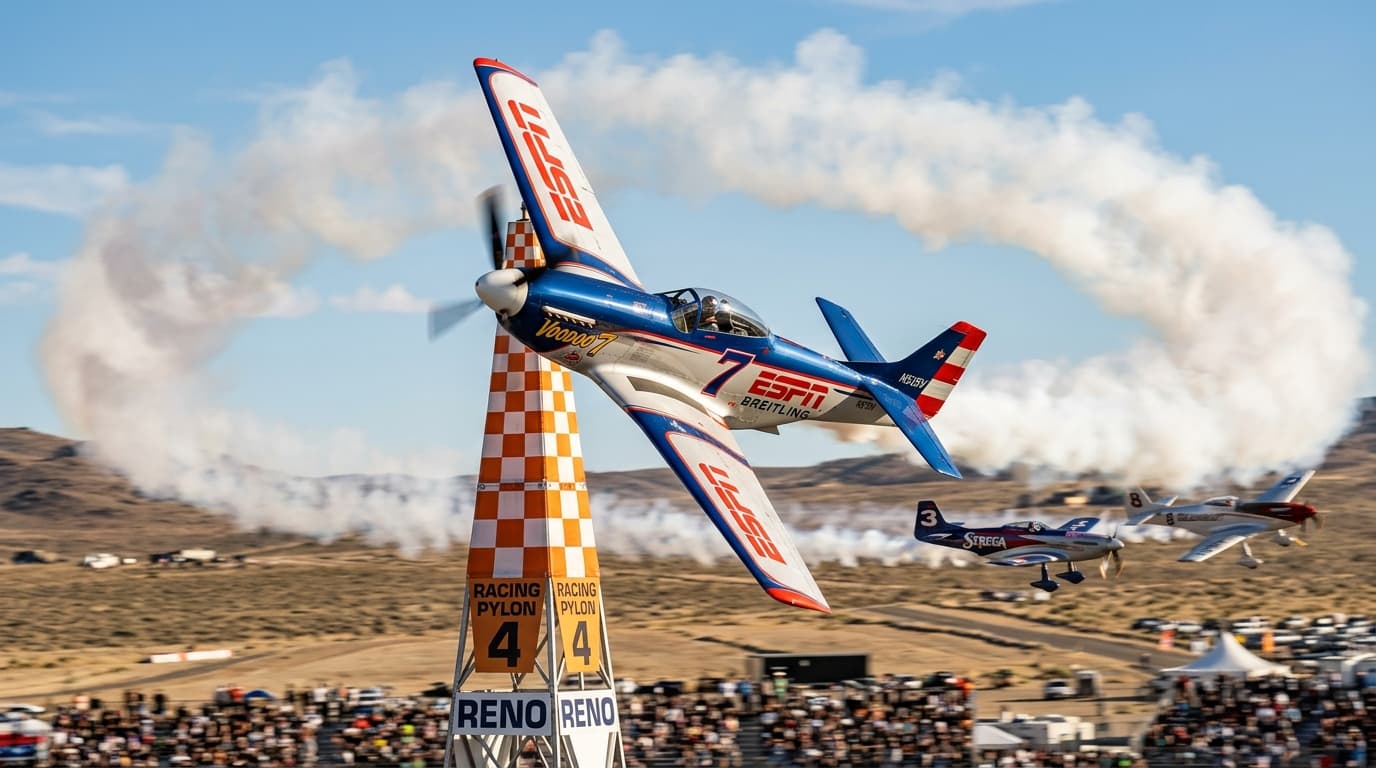
You fly a defined sequence or course against a scored standard, aerobatic contests, precision landing events, cross-country air racing. Every flight produces a score; the score tells you exactly where work is needed. Competition flying is self-correcting: you either improve or you do not progress. The discipline required is mental as much as physical. Competition creates clarity through measurement.
The Path
PPL(A) → Aerobatic Rating + Advanced Handling Rating. Typically 2 to 4 years from PPL(A) to first competitive participation; national or international competition typically requires 3 to 6 years of dedicated training beyond entry. Competition pilots invest significant time and resource in skill development.
At alpaviation
alpaviation's PPL(A) and advanced handling training in the Alps provides the precision-flying foundation. Aerobatic and competition ratings are not delivered at alpaviation; specialised competition disciplines are pursued at dedicated providers when the time comes.
Explore Other Career Paths
Commercial Aviation Careers
Airline captains, cargo pilots, corporate jet commanders
Emergency Aviation Careers
Air ambulance, search and rescue, firefighting pilots
Specialist Aviation Careers
Agricultural, survey, seaplane, and niche operations
Flight Training Careers
Instructors, examiners, chief pilots, academy founders
Emerging Aviation Careers
Drone operations, test piloting, and the future of flight
Start Your Adventure
Every career in aviation starts with the same first step. alpaviation has trained pilots for over 38 years.
Explore Training