Emerging aviation careers represent the frontier of professional flying, roles that did not exist a decade ago and are still being defined by evolving regulation and technology. Drone operations directors manage the integration of unmanned systems into complex airspace; test pilots fly at the edges of aircraft capability documenting performance. These roles require both traditional aviation knowledge and the adaptability to operate in genuinely novel environments. The foundation is traditional pilot training; the specialisation is cutting-edge.
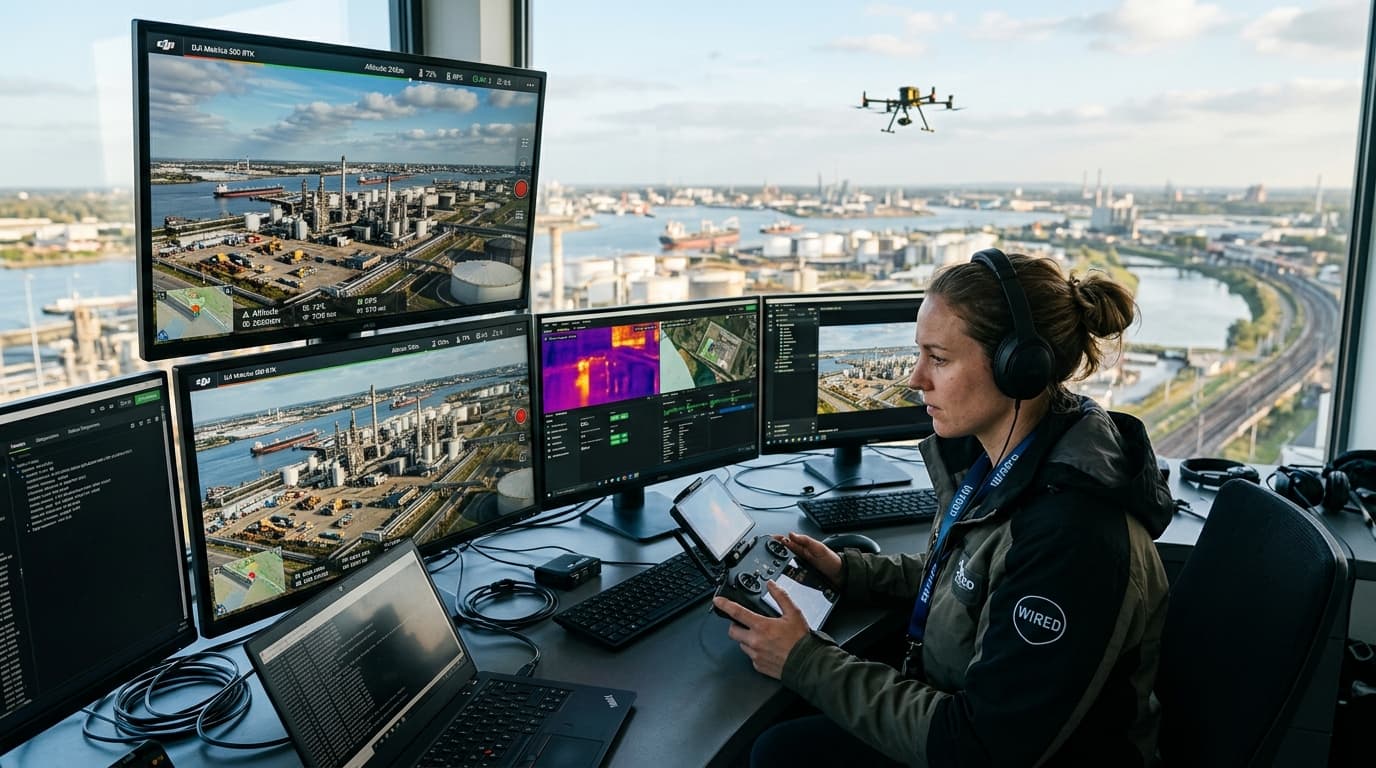
01 / Drone Operations Director
Drone Operations Director
The Work
You manage the integration of unmanned systems into complex operations, managing EASA UAS authorisations, coordinating with national authorities, and overseeing crews operating in urban, industrial, and controlled airspace. The role sits at the intersection of traditional aviation knowledge and emerging technology regulation. It is a leadership position requiring both technical understanding and regulatory fluency.
The Path
PPL(A) or equivalent + Advanced Ratings + UAS operational authorisation knowledge. Typically 2 to 4 years from first flight to entry-level UAS operational role; director-level positions typically require 5 or more years of aviation and management experience. UAS directors need both manned aviation literacy and cutting-edge regulatory knowledge.
At alpaviation
A PPL(A) from alpaviation provides the manned aviation literacy that UAS directors increasingly require, airspace awareness, meteorology, and operations management built in real-world conditions. This background is a direct differentiator in the emerging UAS sector. Traditional aviation knowledge is foundational to emerging roles.
The aviation careers of tomorrow will be built on the fundamentals of today. Test pilots and UAS directors begin with the same licences as every other professional aviator.
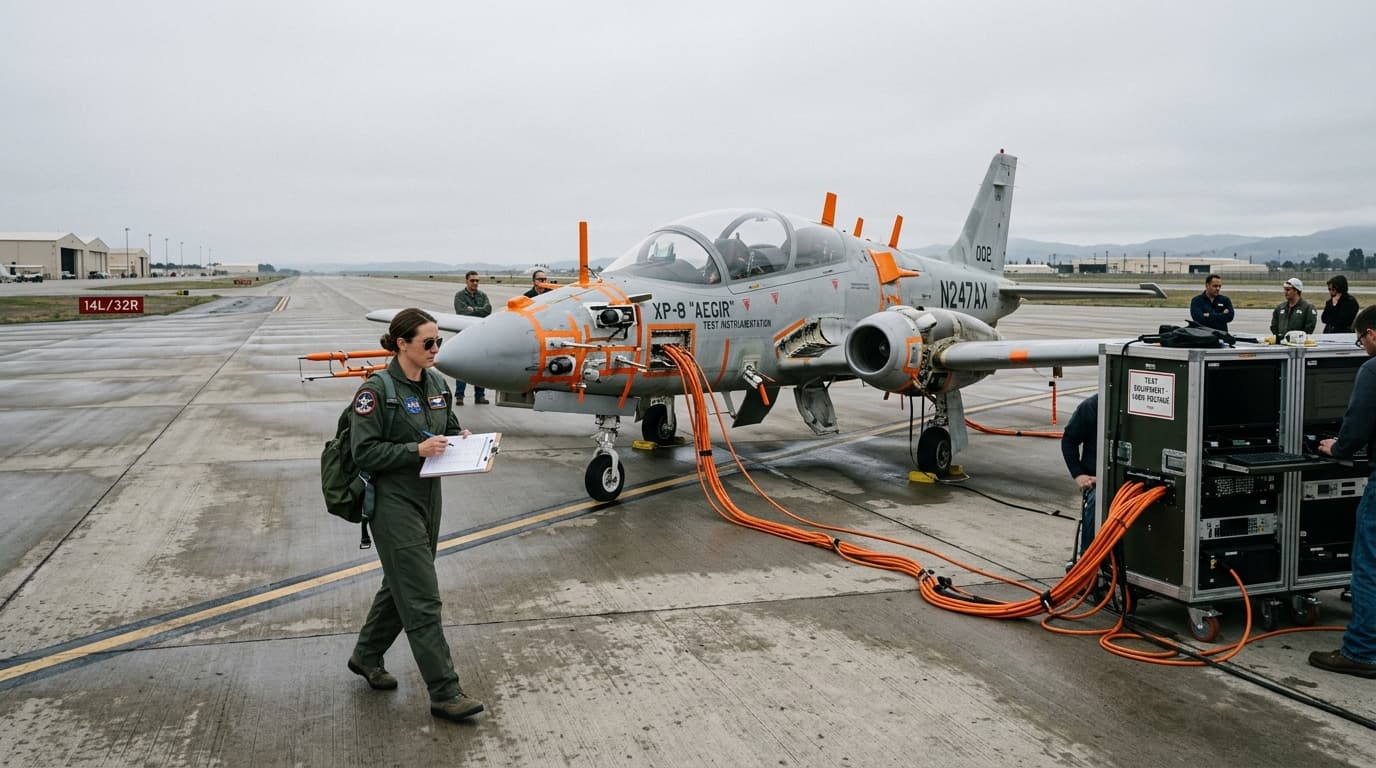
02 / Test Pilot
Test Pilot
The Work
You fly prototype or modified aircraft at the edges of their certificated envelope, documenting handling characteristics, validating performance figures, and identifying deficiencies before production. Each flight is a planned experiment. You brief the programme, fly the test points, debrief the data, and write the report. Test flying demands the highest level of technical knowledge and psychological discipline in aviation. Test pilots serve as quality gates for aircraft certification.
The Path
PPL(A) → Night Rating → Instrument Rating → CPL(A) + Advanced Handling + High Performance Aircraft rating. Typically 6 to 10 years from first flight; formal test pilot school entry requires 1,000 to 1,500 hours and a demonstrated academic record. Test pilot positions are highly selective.
At alpaviation
alpaviation's complete CPL(A) pathway with Night Rating, Instrument Rating, and advanced handling ratings provides the licence base. The technical rigour and high-performance single-engine environment at alpaviation serves as an ideal stepping stone toward test pilot school selection. Many test pilot candidates cite rigorous Alpine training as foundational to their selection.
Explore Other Career Paths
Commercial Aviation Careers
Airline captains, cargo pilots, corporate jet commanders
Emergency Aviation Careers
Air ambulance, search and rescue, firefighting pilots
Specialist Aviation Careers
Agricultural, survey, seaplane, and niche operations
Flight Training Careers
Instructors, examiners, chief pilots, academy founders
Adventure Aviation Careers
Bush pilots, expedition flying, glider, competition
Explore Emerging Opportunities
Every career in aviation starts with the same first step. alpaviation has trained pilots for over 38 years.
Explore Training